

Creating a constructed language is like growing a garden. It evolves. Start with the basics: define your language and understand how real languages evolve.
Then, tackle sounds, grammar, and new words. Consider who speaks your language and how it might change. Each tip can help your language flourish into something unique.
Want to learn? Let's dive in.
Key Takeaways
- Use old languages to make vocabulary and grammar richer.
- History and culture shape language changes.
- Follow real language patterns for more depth.
- Let words' meanings and sounds evolve to keep the language alive.
Defining Constructed Languages

Constructed languages, or conlangs, are languages designed on purpose, not evolved naturally. They're custom-built communication tools. People create them for books, movies, or fun. They're tools made from ideas, not metal or wood.
Diving into conlangs, you enter a realm of pure creation. You learn new words and see the world anew. Conlangs have no historical ties. They can be anything: simple or complex, strange or familiar.
Why bother with conlangs? They expand language boundaries. They make us think differently about communication. For innovators, conlangs are a playground. They allow experiments with sounds, words, and grammar unlike in natural languages.
Historical Influences

History influences the development of constructed languages. They borrow from ancient tongues and evolve as cultures interact.
Major historical events also affect their transformation.
Borrowing From Ancient Tongues
Many constructed languages take from ancient tongues. They enrich their vocabulary and grammar. When building your language, exploring old languages can add depth. It's like discovering treasure in a forgotten place. Ancient words carry history and mystery. They make your language feel real.
Here's a quick look at what you might borrow:
| Source Language | What to Borrow | Why |
|---|---|---|
| Latin | Root words | Timeless feel |
| Sanskrit | Grammar concepts | Complexity |
| Ancient Greek | Philosophical terms | Depth |
Each ancient language offers unique gifts. Latin brings a classic touch. Sanskrit adds complexity. Greek brings depth with philosophical terms. Mixing these elements can make your language stand out. It's not just about the words. It's about connecting the past and the future.
Cultural Exchange Impact
Throughout history, cultural exchanges have shaped languages. When different cultures meet, they exchange ideas, foods, and words. This blend forms new languages. For your constructed language, imagine how cultures might combine. Here's the impact of cultural exchange on language:
- New Words: Add depth by borrowing words from other cultures.
- Grammar Changes: Other cultures' influences can simplify or complicate your language's grammar.
- Cultural Concepts: Bring in unique ideas from specific cultures.
When creating a language, let cultures collide and merge. This process isn't just about making up words. It's about picturing how people interact, share, and evolve over time. Let history guide your language's growth.
Historical Events Role
When cultures blend, think about how history shapes the languages you invent. Wars, peace, discoveries—these change people and their language. If two groups fight, then make peace, their words might mix. New words come in. Old words shift in meaning.
Consider inventions. They introduce new terms. Your created language should reflect these changes too. Add historical events. Perhaps a big storm forced people to relocate. They met new groups, learning new words. Or, an invention altered their lifestyle and speech.
It's not just about new words. It's showing how events transform speech patterns. Keep it authentic. Let your language evolve with its people.
Natural Language Patterns

When creating a new language, draw from existing ones.
Mimic how languages evolve.
This makes your language seem real.
Mimicking Real Languages
Constructed languages can draw from real ones to seem more believable and deep. You can make your language feel alive and captivating by imitating the workings of natural languages. Here's how:
- Pick common sounds found in many languages, like 'm,' 'a,' and 's.'
- Mimic sentence structures, such as subject-verb-object (SVO), seen in familiar languages.
- Use word-formation techniques, like prefixes or suffixes, to alter meanings.
These steps make your new language seem familiar, like a bridge into your world. By borrowing from real languages, you invite people to connect and dive in. The aim is to enrich communication in your fantasy world.
Evolutionary Linguistic Dynamics
After mimicking real languages, grasp how natural language patterns shift over time. See language as alive. It grows, changes, adapts. New words emerge. Old ones vanish. Sounds change. Grammar evolves. This happens through daily use.
When creating your language, let it evolve. Changes occur. A word might shift in meaning among the young. A sound might simplify. This breathes life into your language. It's like a plant growing. You've sown the language seed. Now, nurture its growth. Watch it change naturally. This keeps your language vibrant and new.
Phonological Evolution

Exploring how sounds in constructed languages evolve over time is fascinating. It's all about the sounds of your language and how they can change to create something new.
Let's simplify this:
- Sounds merge: Imagine 'f' and 'ph' in your language sounding the same. This change can make your language sound smoother.
- Sounds split: Sometimes, a sound like 'a' changes based on the letters after it. This adds complexity and richness to your language.
- Sounds disappear: Over time, some sounds might vanish. For example, if 'k' before 'n' disappears (like 'knight' in English), it makes pronunciation easier and opens new ways for words to evolve.
Grammatical Complexity

Just like sounds change, your constructed language's grammar can too. It can become more complex or simpler. As you explore grammar, you'll find new ways to express ideas. You can add rules or streamline existing ones. It's a game of setting the difficulty level for conveying thoughts.
Consider this table for inspiration:
| Evolution Stage | Before | After |
|---|---|---|
| Tense | Simple past | Past perfect |
| Gender | None | Two (e.g., animate, inanimate) |
| Number | Singular and plural | Singular, plural, collective |
| Case | Direct and indirect objects | Nominal, accusative, genitive, dative |
| Mood | Indicative | Indicative, subjunctive, imperative |
This table illustrates grammar's growth. You begin with the basics. Then, you layer on more. Each step deepens the language. You can make your language from simple to rich in detail. Choose how much to evolve. Keep it engaging and creative. Remember, you're building a world with your language. Its grammar should mirror its culture and people.
Lexical Expansion

As your new language grows, you'll want to add more words. This step is crucial. It makes your language both more useful and more creative. Think of it as adding colors to a painting. With more words, you can express ideas more clearly.
Here's how to do it:
- Borrow words: Look at other languages for ideas. But, change them to fit your language's sound and rules. This keeps your language unique.
- Combine words: Start with simple words. Then, mix them to describe new things. For example, 'sky' and 'water' might become 'rain'. It's like using blocks to build.
- Invent words: Sometimes, you need a word for something very specific or new. Don't hesitate to create words. This is your chance to be truly inventive.
Community and Change
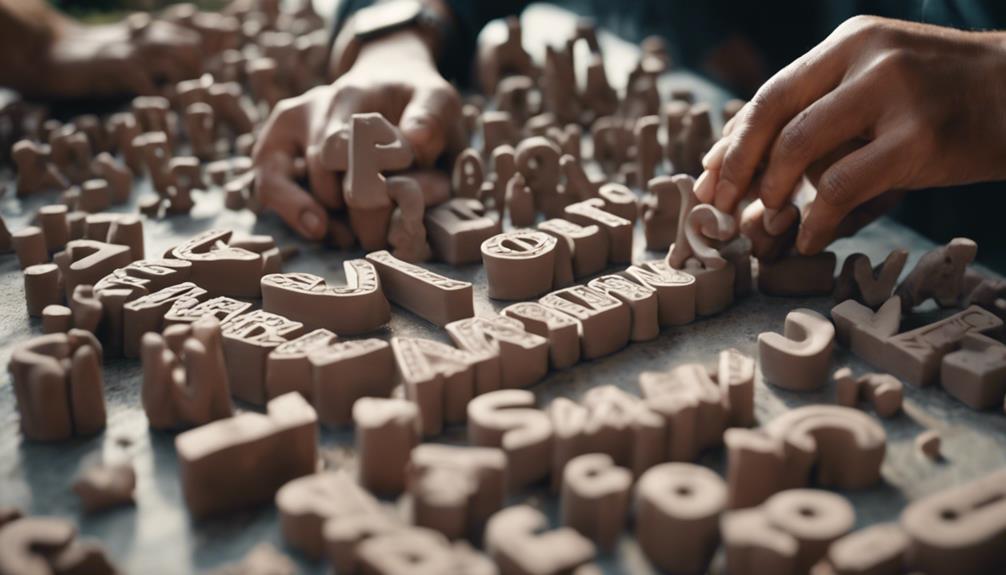
Communities change a language over time. When people use a language, they transform it. They add new words and drop old ones to suit their needs. This happens to your constructed language too.
Imagine you create a language and share it. Others start using it, bringing new ideas and making mistakes. Both are beneficial. Mistakes and ideas lead to change, keeping the language alive and growing.
Consider how change occurs:
- New Technology, like 'smartphone,' adds new vocabulary.
- Social Change, such as using 'they' as a singular pronoun, evolves pronouns.
- Creative Use, through slang, expands how we use words.
New words appear. Old words gain new meanings. Sounds and grammar may shift. This is part of the process.
Embrace and guide this change. Your language thrives on its speakers. Their voices, needs, and creativity determine its direction. This isn't just change—it's growth, evolution, and what keeps your language alive and relevant.
Conclusion
You've seen constructed languages evolve. History molds them. They mirror natural languages. Sounds change. Grammar becomes complex. Words expand with use.
When a community embraces it, evolution quickens. Building a language is a journey. It changes, like natural languages. Learn and adapt. Your language will grow rich, showing its unique world and speakers.
Keep creating. Watch it flourish.

Vernon, a multitalented individual, thrives in both swimming and skiing. With a passion for reading, he continuously expands his knowledge. His love for learning languages showcases his dedication to personal growth and understanding diverse cultures.
